Mesh Radio
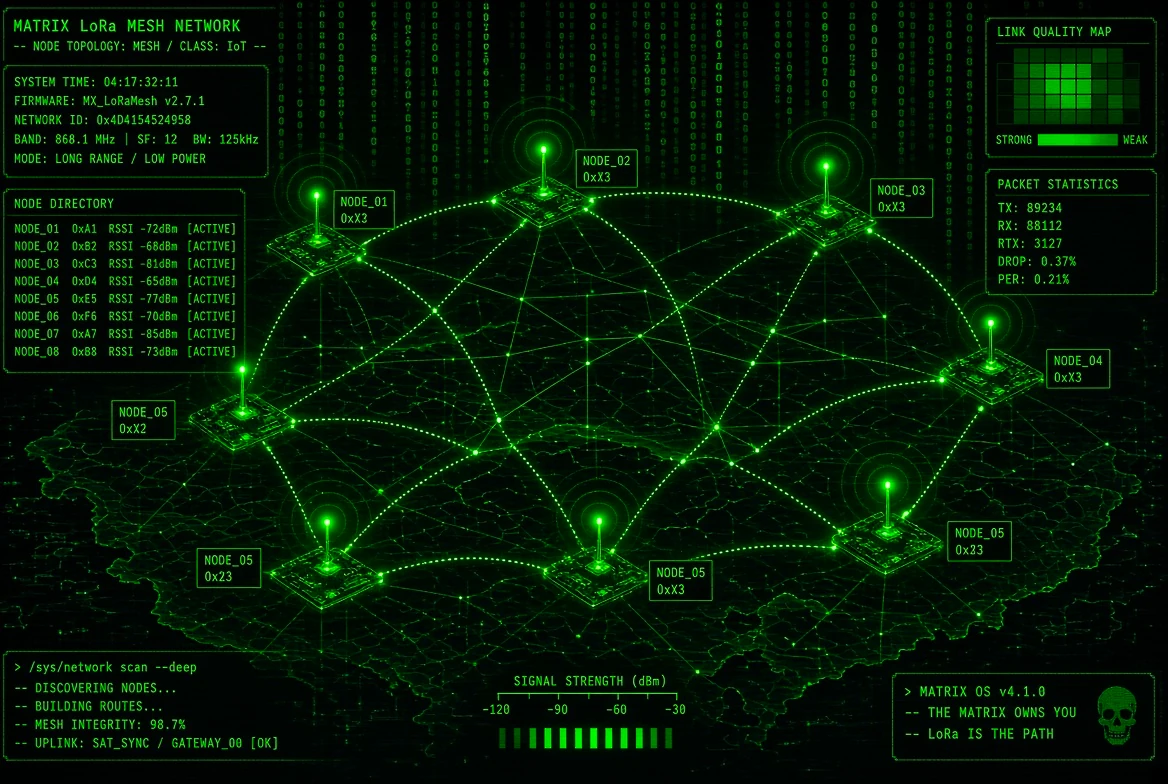
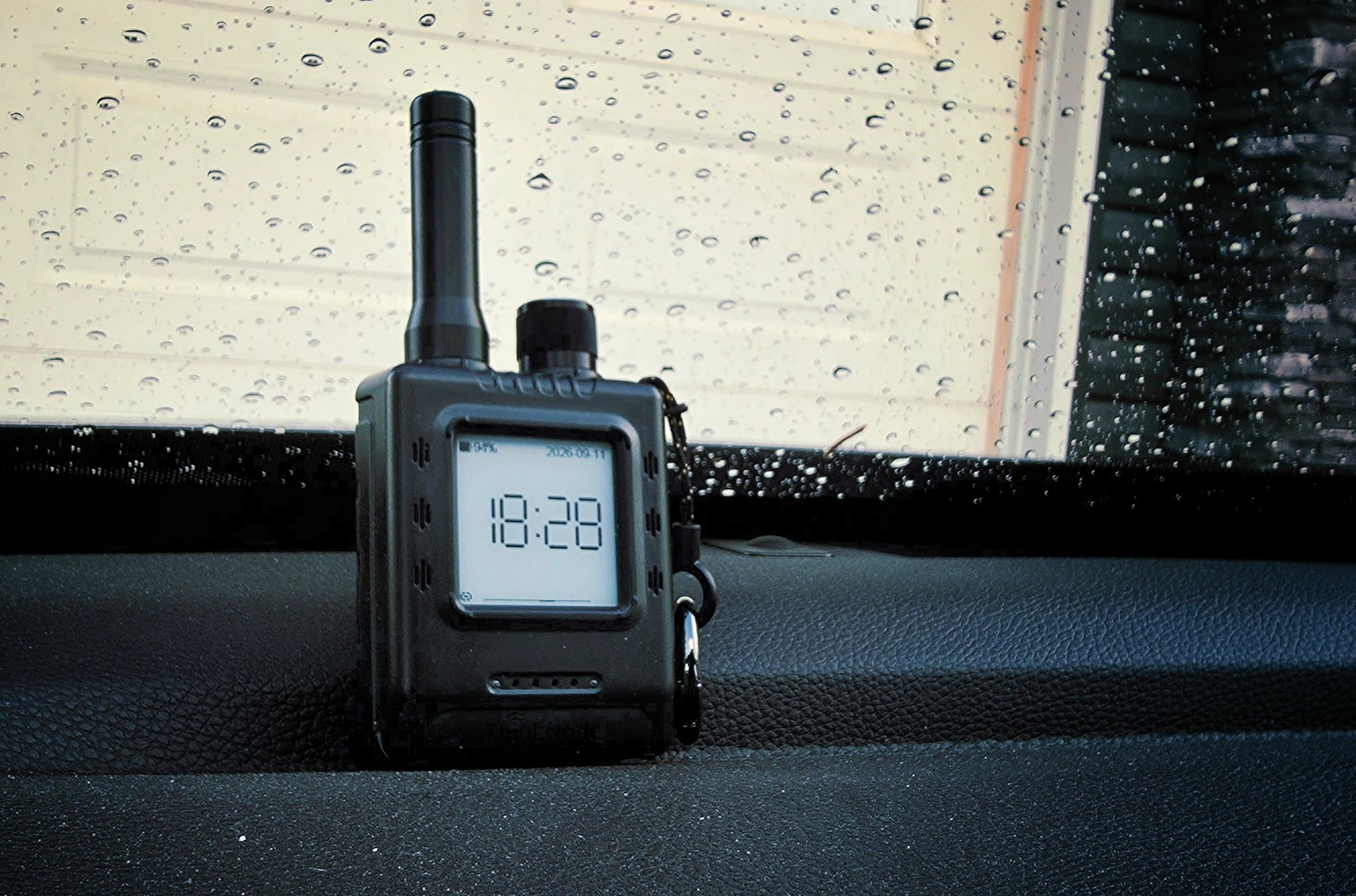
A mesh radio network is a decentralized wireless system where each device acts as both a receiver and a repeater to relay messages across long distances without cell service or the internet. In essence, it is off-grid, encrypted text messaging that does not require a license. It has low cost of entry and makes a great first step into the radio hobby. Hams will automatically notice that it is much like APRS but with a much simpler and friendlier implementation.
How Mesh Radio Works
- Nodes: Every radio in the network is called a node.
- Hopping: If you cannot reach a recipient directly, your message "hops" through intermediate nodes—such as a neighbor's device—until it reaches the destination.
- Self-Healing: If a node goes offline or is blocked by an obstacle, the network automatically finds a new path for the data.
- No Infrastructure: The system operates independently of cell towers, Wi-Fi routers, or traditional base stations.
- No License Required: Most consumer mesh radios run on license-free ISM frequency bands (like 915 MHz), meaning you do not need a ham radio license. However, Hams can also run Meshtastic on amateur frequencies with ID, no encryption, and ham-mode settings
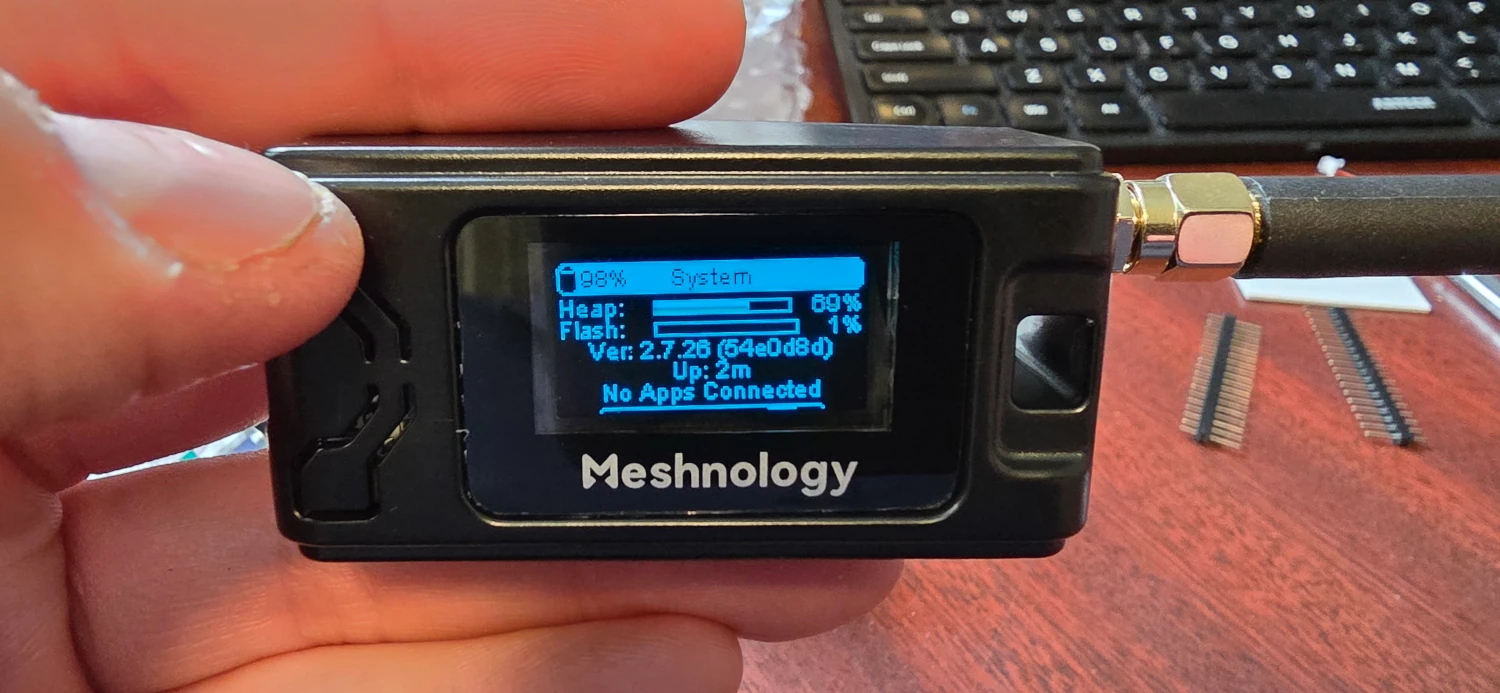
- Smartphone Integration: Popular setups connect a small pocket radio (LoRa: Long-Range) to your phone via Bluetooth. Your phone acts as the screen and keyboard to send encrypted text messages.
Key Benefits and Limits
- Cost-Effective: Devices are inexpensive, require no subscription fees, and run efficiently on small batteries or solar power.
- Text Only: Consumer gear is built for short text messages (often limited to around 200 characters) and telemetry data, not video or voice.
- Range: Mesh is line-of-sight, so direct range between two nodes is usually 100m-3km in an urban environment. This depends on variables like terrain, foliage and antennas, but a community mesh can span across entire cities through relay hops. With no obstructions, practical range extends to 10-15km and even further (25km+) for tower mounted nodes.
- Public/Private: Public channel plus private encrypted channels.
- Telemetry: Optional GPS position sharing, battery and sensor data.
- Optional Internet Linking: Optional MQTT/internet bridges that link meshes but are no longer fully off-grid.
Mesh Ecosystems
There are a few competing mesh ecosystems currently (2026 at time of this article) - but there will likely be more. The best advice is to find out which one is used most in your community and then connect with others with that system. All of the systems make use of dead simple web-based firmware flashing software.
- MeshTastic: is the easy, everybody-repeats LoRa messenger (text, GPS, telemetry) that just works on cheap boards. Widely in use in the Moose Jaw Area.
- MeshCore: is a LoRa messenger built around dedicated repeaters and planned routes so community meshes stay quieter and scale farther.
- Reticulum: is not a chat app but a crypto-first networking stack that can carry apps over LoRa, Wi-Fi, serial, and the internet as one private network.
More Resources
- Video: What Is Meshtastic? Off Grid Communication Explained in 3 minutes (Beginner Friendly)
- Video: Getting Started with Meshtastic - Devices
- Article: Jeff Geerling - Getting Started with Meshtastic
- Video: Build Your Own Off-Grid Network Right Now With MeshCore
- Video: Reticulum Basics for Everyday Users